
Seasoned Cast Iron Cooking Pan – Pre-Seasoned Cast Iron Pan Guide
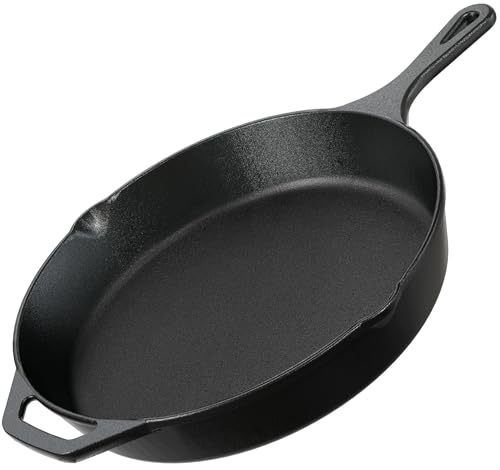
Parini 12-Inch Pre-Seasoned Cast Iron Pan
A versatile 12-inch pre-seasoned cast iron pan that delivers exceptional heat retention and even cooking. Perfect for searing, frying, baking, and outdoor cooking with a naturally non-stick surface that improves with use.
Key Features:
- Pre-seasoned with vegetable oil finish
- 12-inch cooking surface
- Superior heat retention and distribution
- Oven safe up to 500°F
- Dual pour spouts for easy draining
- Comfortable helper handle
- Compatible with all cooktops
- Naturally develops non-stick properties
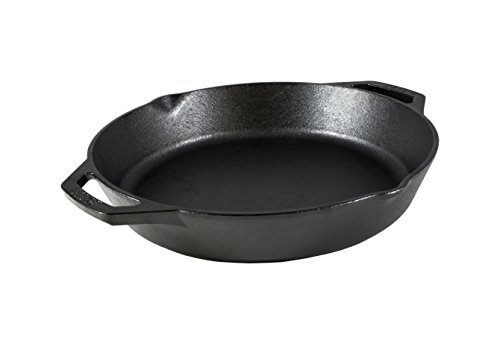
Parini 10-Inch Pre-Seasoned Cast Iron Skillet
A compact 10-inch pre-seasoned cast iron skillet ideal for smaller portions and everyday cooking. Features excellent heat distribution and comes ready to use straight from the package with proper seasoning.
Key Features:
- Ready-to-use pre-seasoning
- 10-inch diameter for versatile cooking
- Even heat distribution
- Dishwasher safe construction
- Ergonomic handle design
- Suitable for stovetop to oven cooking
- Lightweight compared to larger pans
Understanding Pre-Seasoned Cast Iron Pan Benefits
A parini cast iron pan comes pre-seasoned, eliminating the lengthy initial seasoning process that traditional cast iron requires. This factory seasoning creates an immediate protective layer that prevents rust and provides a naturally non-stick surface from the first use.
The pre-seasoning process involves coating the pan with vegetable oil and heating it to high temperatures, creating a polymerized layer that bonds to the iron. This protective coating improves with each cooking session, developing into an increasingly smooth and non-stick surface that rivals modern cookware.
Heat Retention Excellence
Cast iron’s superior heat retention makes the parini cast iron pan ideal for searing meats and maintaining consistent cooking temperatures. The dense material absorbs heat slowly but distributes it evenly across the entire cooking surface, eliminating hot spots that can burn food.
Versatility Across Cooking Methods
From stovetop searing to oven baking, a parini cast iron pan transitions seamlessly between cooking methods. The robust construction withstands high temperatures, making it perfect for techniques like blackening fish or finishing steaks in the oven.
Proper Cooking Techniques for Parini Cast Iron Pan
Mastering your parini cast iron pan requires understanding proper preheating and temperature control. Always preheat the pan gradually over medium heat for 3-5 minutes before adding oil or food, allowing the iron to expand evenly and prevent warping.
Temperature control becomes crucial with cast iron since it retains heat longer than other materials. Start with medium heat and adjust as needed, remembering that the pan will continue cooking food even after removing it from the heat source.
Oil Selection and Application
Choose oils with high smoke points like avocado, grapeseed, or vegetable oil when cooking with your parini cast iron pan. Apply a thin layer of oil after preheating, allowing it to shimmer before adding ingredients.
The naturally developing non-stick surface works best when you avoid overcrowding the pan and allow food to release naturally. This patience prevents sticking and helps build the seasoning layer that makes cast iron cookware so prized by professional chefs.
Maintenance and Care for Long-lasting Performance
Maintaining your parini cast iron pan ensures decades of superior cooking performance with minimal effort. Clean the pan while still warm using hot water and a stiff brush or scraper to remove food particles without damaging the seasoning.
Avoid soap when possible, though small amounts won’t damage well-seasoned pans. The key lies in thorough drying immediately after washing to prevent rust formation on any exposed iron surfaces.
Proper Drying and Storage
Dry your parini cast iron pan completely by placing it on the stove over low heat for a few minutes after washing. This evaporates any remaining moisture that towel drying might miss.
Store the pan in a dry location with good air circulation. Some cooks place a paper towel inside the pan to absorb any residual moisture, while others apply a thin coating of oil before storage.
Seasoning Maintenance
While your parini cast iron pan comes pre-seasoned, regular maintenance seasoning enhances its performance. After cleaning and drying, apply a thin layer of high-heat oil and heat the pan until the oil begins to smoke, then let it cool completely.
Comparing Cast Iron Pan Sizes and Applications
Selecting the right size parini cast iron pan depends on your typical cooking needs and household size. The 10-inch version works perfectly for individual portions or couples, while 12-inch pans accommodate family-sized meals and larger cuts of meat.
Consider your stovetop burner sizes when choosing pan diameter. A parini cast iron pan should sit comfortably on your burners without overhanging significantly, ensuring even heat distribution across the cooking surface.
Cooking Capacity Guidelines
The 10-inch parini cast iron pan comfortably handles 2-3 servings of most dishes, making it ideal for breakfast eggs, personal pizzas, or searing individual steaks. The compact size also makes it easier to maneuver and store in smaller kitchens.
Larger 12-inch models excel at family cooking, accommodating whole chickens, multiple servings of cornbread, or generous portions of vegetables. The increased surface area prevents overcrowding, which is essential for proper searing and browning.
Weight Considerations
Cast iron’s substantial weight provides cooking benefits but requires consideration for handling and storage. The same parini cast iron skillet construction that ensures even heating also makes these pans heavier than aluminum or stainless steel alternatives.
Troubleshooting Common Cast Iron Pan Issues
Even experienced cooks occasionally encounter challenges with their parini cast iron pan. Food sticking usually indicates insufficient preheating or inadequate oil, both easily corrected with proper technique adjustments.
Rust spots may appear if the pan isn’t dried thoroughly after washing or stored in humid conditions. Light rust can be scrubbed away with steel wool, followed by immediate re-seasoning to restore the protective coating.
Restoring Damaged Seasoning
If your parini cast iron pan develops sticky or gummy patches, the seasoning layer may have become damaged from overheating or incorrect oil application. Strip the old seasoning with coarse salt and oil scrubbing, then rebuild the surface with thin oil layers.
Preventing Warping and Cracking
Avoid extreme temperature changes that can warp or crack cast iron. Never place a hot parini cast iron pan directly into cold water, and don’t preheat empty pans on high heat for extended periods.
The same durability that makes these pans part of comprehensive pots and pans collections also means they can withstand decades of use when treated properly.
Advanced Cooking Applications and Techniques
Once you’ve mastered basic techniques, your parini cast iron pan opens up advanced culinary possibilities. The excellent heat retention makes it perfect for techniques like blackening, where high heat and consistent temperatures create the characteristic crust on fish and poultry.
Baking in cast iron produces superior results for items like cornbread, pizza, and even desserts. The pan’s ability to go from stovetop to oven allows for creative cooking methods like starting a frittata on the burner and finishing it under the broiler.
Outdoor Cooking Applications
Cast iron’s durability makes your parini cast iron pan excellent for camping and outdoor cooking. The heavy construction withstands campfire cooking and provides even heating over coals or camp stoves.
Many outdoor enthusiasts prefer cast iron for its versatility in cooking everything from breakfast hash to evening steaks over open flames. The seasoning actually improves with regular use, making frequent outdoor cooking beneficial for pan performance.
Professional Kitchen Techniques
Restaurant chefs value cast iron for its ability to maintain temperature during high-volume cooking. The same principles that make a parini dutch oven valuable for braising apply to skillets used for consistent searing throughout busy dinner services.
Frequently Asked Questions
Maximizing Your Cast Iron Pan Investment
A parini cast iron pan represents a lifetime cooking investment that improves with proper use and care. The pre-seasoned surface provides immediate cooking benefits while developing enhanced non-stick properties through regular use. Understanding proper preheating, temperature control, and maintenance techniques ensures optimal performance for decades.
The versatility of cast iron extends far beyond basic frying, offering opportunities for baking, searing, and outdoor cooking that other cookware cannot match. The superior heat retention and even distribution make these pans invaluable tools for both novice home cooks and experienced chefs seeking consistent results.
While the learning curve may seem steep initially, mastering your parini cast iron pan techniques pays dividends in cooking performance and food quality. The natural non-stick surface that develops over time, combined with the pan’s durability and versatility, makes it an essential addition to any serious cook’s kitchen arsenal.
Investing time in proper technique and maintenance transforms your parini cast iron pan from a simple cooking tool into a culinary partner that enhances every meal. The satisfaction of perfectly seared meats, golden cornbread, and flawlessly cooked vegetables makes the initial learning period worthwhile for any cooking enthusiast.