
How Parini's PTFE-Based Non-Stick Coating Releases Food Without Sticking
Non-stick cookware coating isn't magic—it's chemistry working on your stovetop every time you cook. When you crack an egg into a Parini pan and it slides around without grabbing the surface, you're watching a polymer engineered to resist adhesion at the molecular level.
We've spent decades refining the formulation and application process behind our non-stick surfaces, and understanding how that coating actually prevents sticking helps you cook smarter and extend the life of your pans. This guide walks through the science, the manufacturing steps we use, and the care habits that keep the release performance intact.
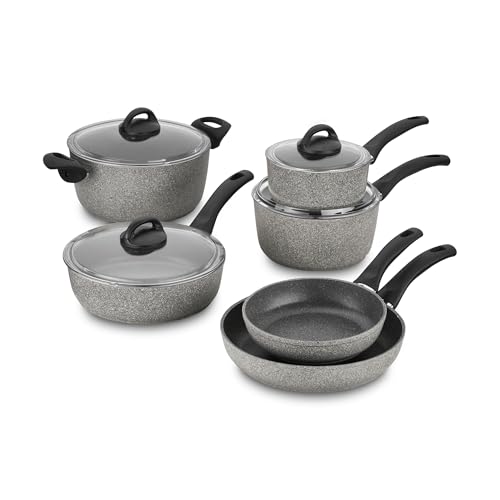
The PTFE Polymer Layer and Why It Repels Food
Our non-stick cookware coating begins with polytetrafluoroethylene (PTFE), a fluoropolymer with one of the lowest coefficients of friction known to materials science. The fluorine atoms bonded to the carbon backbone create an extremely low surface energy—meaning substances like egg protein, cheese, or caramelized sugars struggle to form a bond with the pan surface.
When you heat the pan, the PTFE layer doesn’t soften or become tacky the way many organic polymers do. Instead it maintains that slick, chemically inert character up to around 500°F, well above typical stovetop cooking temperatures. That stability is why a properly preheated Parini pan releases a fried egg cleanly even without butter, and why delicate fish fillets lift away intact instead of tearing.
How We Build the Coating in Multiple Primer and Topcoat Layers
A durable non-stick surface isn’t a single spray-on film—it’s a carefully sequenced stack of primer and topcoat layers, each cured at a specific temperature to bond the next layer securely. We start with an aluminum or stainless base, sandblast the interior to create micro-texture for mechanical grip, then apply an initial PTFE primer that fills those texture peaks and anchors to the metal.
After the primer cures in a high-temperature oven, we add one or more midcoat layers that build thickness and impact resistance. The final topcoat—the surface you actually cook on—uses a finer PTFE particle size for maximum smoothness and release. This multi-layer architecture is why our non-stick pots and pans can handle the scrape of a silicone spatula night after night without exposing bare metal, and why the release performance stays consistent across hundreds of cooking cycles.
Heat Distribution and Oil Use: Supporting the Coating's Job
Even the best non-stick cookware coating benefits from smart heat management. Preheating the pan over medium heat for one to two minutes allows the entire cooking surface to reach an even temperature, so food doesn’t stick to cold spots where the PTFE hasn’t yet reached its optimal release state.
A thin film of oil—whether you choose extra virgin olive oil for its flavor or a neutral canola oil for high-heat searing—spreads across the PTFE surface and fills any microscopic gaps, creating an additional barrier between food and pan. You don’t need a puddle; a teaspoon swirled around the pan is enough to support the coating and add flavor.
Avoiding Cold-Pan Starts
Placing cold food into a cold non-stick pan and then turning on the burner is one of the fastest ways to generate sticking, because proteins bond to the surface before the PTFE reaches its low-friction temperature window. Always preheat first, add your oil, let it shimmer, then add the food—that sequence keeps the coating doing the job it was engineered for.

What Damages the Coating and How to Prevent It
PTFE is chemically stable, but it’s not invincible. The three most common failure modes are abrasion from metal utensils, thermal shock from plunging a hot pan into cold water, and overheating beyond the polymer’s safe range.
Metal spatulas, forks, and whisks can score through the topcoat and expose primer layers or even bare aluminum beneath. We recommend silicone, wood, or nylon utensils for daily cooking. Thermal shock—dropping a 400°F pan into a sink of cold water—can cause the coating to separate from the metal substrate as the two materials contract at different rates. Let the pan cool naturally on the stovetop or a trivet instead.
Overheating past 500°F degrades PTFE and releases fumes that are unpleasant and, in poorly ventilated spaces, potentially harmful to pet birds. Use medium or medium-high heat for most tasks, and never leave an empty non-stick pan on a lit burner. If you’re comparing stovetop materials for other uses, cast iron handles higher heat without coating concerns—our guide on cast iron versus enameled cast iron skillets breaks down those trade-offs in detail.
Cleaning Without Stripping the Release Surface
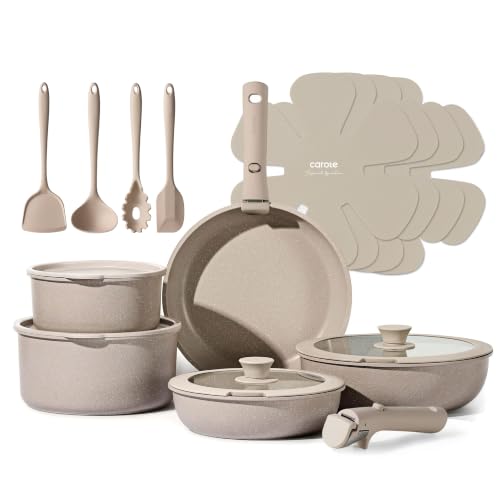
Aggressive scrubbing with steel wool or abrasive powders removes PTFE topcoat particles, shortening the pan’s usable life. Most cooked-on residue releases easily with warm soapy water and a soft sponge—let the pan soak for five minutes if needed, then wipe clean.
Dishwasher detergent is highly alkaline and can etch the coating over time, even though PTFE itself resists most chemicals. We recommend hand-washing to preserve the surface. For baked-on deposits in specialty shapes like our non-stick bundt pan, a paste of baking soda and water applied with a soft cloth lifts residue without scratching the fluted interior curves.
After washing, dry the pan immediately with a towel to prevent water spots, and store it with a paper towel or soft cloth between nested pans to protect the coating from metal-on-metal contact.
Keeping the Chemistry Working in Your Kitchen
Understanding how your non-stick cookware coating actually prevents sticking—from the fluoropolymer’s molecular structure to the multi-layer build process to the heat and oil habits that support it—gives you the knowledge to cook confidently and extend your pans’ usable life.
Preheating properly, using gentle utensils, and hand-washing with care aren’t arbitrary rules; they’re practical steps that preserve the PTFE surface so it keeps doing the job it was engineered for. When the coating finally does wear out after years of service, you’ll know exactly why, and you’ll be ready to choose the next pan with the same informed perspective.
For a deeper look at the thermal properties and surface chemistry behind various cooking materials, the American Society of Mechanical Engineers’ overview of cooking science offers additional technical context that complements what we’ve covered here.
Common Questions About Non-Stick Coating Performance
With proper care—using gentle utensils, avoiding overheating, and hand-washing—a quality PTFE coating can maintain its release performance for three to five years of daily cooking. Heavy use or metal-utensil abrasion shortens that window, while lighter use in a well-maintained kitchen can extend it.
You'll know it's time to replace the pan when food begins sticking in the center despite preheating and oil, or when you see visible flaking or bare metal showing through the coating.
Yes. PTFE is chemically inert and doesn't react with acids, bases, or most solvents at cooking temperatures. Tomato sauce, citrus, vinegar-based marinades, and wine reductions are all safe to simmer in a non-stick pan without damaging the coating or leaching anything into your food.
The acidity concern you sometimes hear about applies to bare aluminum or uncoated copper, not to properly applied PTFE surfaces.
The most common culprit is insufficient preheating. If you add cold food to a pan that hasn't reached its optimal release temperature, proteins can bond to the surface before the PTFE's low-friction properties fully activate.
Other causes include using too little oil, cooking over excessively high heat that causes rapid moisture evaporation and scorching, or placing frozen items directly into the pan. A one-to-two-minute preheat over medium heat, followed by a thin oil layer, solves most sticking issues.
You can, but we don't recommend it for long-term use. Many aerosol cooking sprays contain lecithin or other additives that polymerize into a sticky residue when heated repeatedly, building up a film that actually reduces the pan's release performance over time.
If you prefer spray application for portion control, pour a small amount of liquid oil into a refillable mister and use that instead—it gives you the convenience without the residue-forming additives.
PTFE coatings are fluoropolymer-based and offer consistent low-friction performance across a wide temperature range, plus excellent chemical resistance. Ceramic non-stick coatings are sol-gel derived inorganic layers that also provide release, but they tend to lose their non-stick properties faster—often within one to two years—and are more sensitive to thermal shock.
PTFE generally outlasts ceramic in durability tests, while ceramic coatings can handle slightly higher peak temperatures before degrading. Both are safe when used as directed.
No. PTFE-coated pans come from the factory ready to use and don't require—or benefit from—a seasoning layer of polymerized oil the way bare cast iron does. The PTFE itself provides the release surface.
Some manufacturers suggest an initial wash and light oil wipe before first use to remove any manufacturing residue, but that's a one-time cleaning step, not ongoing seasoning. Just preheat, add oil for the specific dish you're cooking, and start using the pan.