
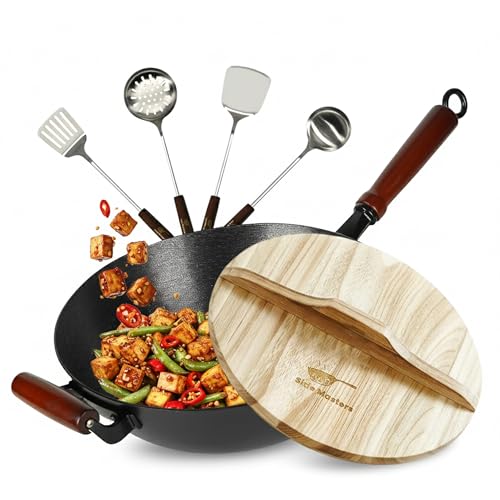


Parini Wok – Cast Iron & Non-Stick Wok Pan
Our Parini wok brings restaurant-quality stir-frying into your home kitchen with a unique hybrid construction. The cast iron base delivers exceptional heat retention and distribution for consistent high-temperature cooking, while the premium non-stick coating ensures effortless food release and quick cleanup.
Designed for versatility, this wok handles everything from lightning-fast vegetable stir-fries to slow-braised proteins and steamed dumplings. The gently sloped sides promote the signature wok toss while maximizing cooking surface area. Whether you're searing beef at high heat or gently wilting greens, the balanced temperature control gives you precision at every step.
We engineered the ergonomic handle to stay cool during stovetop use, and the flat base provides stability on all cooktop types including gas, electric, and induction. The 12-inch diameter offers ample space for family-sized meals without crowding ingredients.
- Cast iron base for superior heat retention and even temperature distribution
- Non-stick coating for healthy low-oil cooking and easy cleanup
- 12-inch diameter with sloped sides for authentic wok cooking technique
- Flat base design compatible with gas, electric, and induction cooktops
- Heat-resistant ergonomic handle for safe stovetop maneuvering
Cast Iron Durability Meets Non-Stick Convenience
The Parini wok solves the classic compromise between traditional and modern cookware. Our cast iron construction provides the thermal mass professional chefs depend on for searing and browning, while the non-stick surface eliminates the constant maintenance traditional cast iron demands.
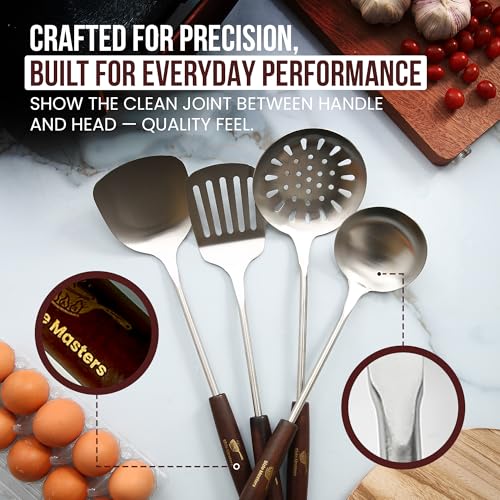
Unlike pure cast iron woks that require regular seasoning and careful handwashing, our hybrid design gives you the best of both worlds. The non-stick coating bonds directly to the iron surface using a proprietary process that withstands metal utensils and high-heat cooking. You get the performance benefits of heavy-gauge cast iron without the tedious upkeep.
Sizing and Stovetop Compatibility
We sized this wok at 12 inches in diameter to balance cooking capacity with stovetop practicality. The flat 6-inch base sits securely on standard burners while the sloped sides provide 3.5 quarts of total capacity.
The flat-bottom design works seamlessly across all cooktop types. Gas burners heat the base evenly while flames lick the lower sides for that authentic wok hei char. Electric coils make full contact with the iron bottom for efficient heat transfer. The cast iron core contains ferrous metal that responds instantly to induction magnetic fields, making this one of the few woks compatible with modern induction cooktops.
Care Instructions and Seasoning Maintenance
The non-stick coating simplifies daily maintenance compared to traditional cast iron. After cooking, let the wok cool slightly then wash with warm soapy water and a soft sponge. The coating releases stuck-on bits easily, so you rarely need abrasive scrubbing.
While the wok is dishwasher-safe, we recommend handwashing to preserve the seasoning layer that develops over time. This natural patina enhances non-stick performance and adds depth of flavor to your cooking. After washing, dry the wok immediately with a towel and place it over low heat for 30 seconds to evaporate any remaining moisture.
More Cast Iron & Non-Stick Cookware from Parini




What people are saying


Common Questions About the Parini Wok
Yes, our non-stick coating is designed to withstand metal spatulas and spoons. The coating bonds directly to the cast iron using a high-temperature process that creates exceptional durability. We still recommend using wooden or silicone utensils when possible to maximize the coating's lifespan, but occasional metal utensil contact won't damage the surface.
Absolutely. The cast iron construction makes this wok fully compatible with induction cooktops. Cast iron contains the ferrous metal that induction burners require to generate heat. The flat 6-inch base ensures full contact with the induction surface for efficient heating and temperature control.
The wok arrives pre-seasoned from our factory, so it's ready to cook immediately after washing off any packaging residue. For best results, wash with warm soapy water, dry thoroughly, then heat the wok over medium heat for 2 minutes. Add a thin layer of vegetable oil, swirl to coat, and heat for another minute before wiping out excess oil with a paper towel.
The primary difference is the non-stick coating. Traditional cast iron woks require regular seasoning maintenance and careful handwashing to prevent rust. Our hybrid design combines cast iron's superior heat retention with a non-stick surface that eliminates constant upkeep. You get the same cooking performance with significantly easier cleanup.
While the non-stick coating is technically dishwasher-safe, we recommend handwashing to preserve the seasoning layer that develops over time. Dishwasher detergents can be harsh and may gradually diminish the natural patina. Handwashing takes less than a minute thanks to the non-stick surface, and helps maintain optimal cooking performance.
The flat 6-inch base fits standard household burners from small to large. For optimal heat distribution, match the wok to a burner that's roughly the same diameter as the base or slightly smaller. Gas burners provide the most traditional wok cooking experience, but the flat bottom design works equally well on electric coils and induction cooktops.
The empty wok weighs approximately 5.5 pounds due to the cast iron construction. When filled with ingredients, expect a total weight of 8-10 pounds for a typical stir-fry. The ergonomic handle and balanced design make it manageable for most cooks to lift and toss. The weight actually helps stability during cooking and contributes to excellent heat retention.